
Beyond Weight Loss: Long-Term Benefits of Microdosing GLP-1 for Women’s Health
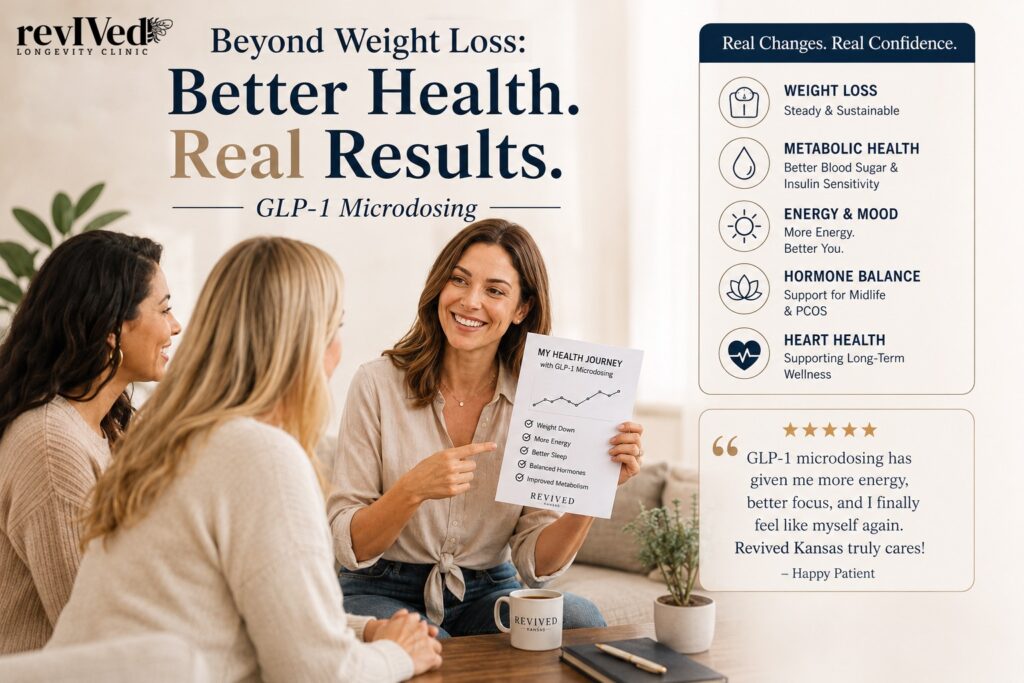
Weight is only one part of women’s health. Blood sugar, hormones, muscle mass, inflammation, and heart health can all change over time, especially during perimenopause and menopause. That is one reason GLP-1 medications have attracted attention beyond traditional GLP-1 weight management.
Some women are now exploring microdosing GLP-1, which means using a lower dose than the standard therapeutic dose. The goal may be to support appetite control and metabolic health without overly suppressing hunger.
The approach sounds appealing, yet there is an important distinction to keep in mind: most research has focused on approved GLP-1 medications at established doses, while long-term evidence on microdosing remains limited.
Table of Contents |
What Is GLP-1 Microdosing?
GLP-1 receptor agonists are medications that mimic a hormone involved in appetite, blood sugar regulation, and digestion. They can help people feel fuller for longer and support better glucose control.
Microdosing generally refers to using a dose below the standard therapeutic dosing used in clinical practice. Some women are interested in this approach because they want metabolic or appetite support without feeling that their appetite has been reduced too dramatically.
That said, microdosing is not a standardized medical treatment. The evidence supporting GLP-1 weight management at approved therapeutic doses is considerably stronger than the evidence specifically supporting microdosing. This distinction matters when evaluating online claims, including Microdosing GLP-1 reviews.
How Microdosing GLP-1 May Support Women’s Metabolic Health
Supporting Insulin Sensitivity During Midlife
Hormonal changes during perimenopause and menopause can affect body composition, appetite, and metabolic health. As estrogen levels change, some women notice increased abdominal fat or changes in how their bodies handle glucose.
GLP-1 medications can influence blood sugar regulation and insulin signaling, which is one reason they have become part of the conversation around GLP-1 weight management. For women experiencing midlife metabolic changes, maintaining healthy blood sugar levels can be an important part of overall wellness.
However, the evidence for these metabolic effects comes primarily from research on GLP-1 medications at established doses. It should not automatically be interpreted as proof that microdosing produces the same long-term results.
Supporting Metabolic Health in Women With PCOS
Polycystic ovary syndrome, or PCOS, is often associated with insulin resistance. Higher insulin levels can contribute to hormonal changes, including increased androgen activity.
Because GLP-1 medications can influence appetite, weight, and glucose metabolism, they are being studied as potential tools for women with PCOS. For some patients, they may complement other therapies for weight loss and metabolic health.
Still, microdosing should not be presented as a proven treatment for PCOS. Women with PCOS should work with a healthcare professional to determine whether a GLP-1 medication is appropriate for their individual needs.
Supporting Muscle Preservation
Weight loss is not only about losing fat. Preserving lean muscle is particularly important as women get older because muscle supports strength, mobility, and metabolic health.
One concern with strong appetite suppression is that it can become harder to eat enough protein and overall calories. A lower-dose approach may appeal to women who want appetite support without dramatically reducing food intake. However, there is not enough evidence to say that microdosing itself prevents muscle loss.
Adequate protein, resistance training, and an appropriately structured nutrition plan remain important parts of healthy GLP-1 weight management.
Beyond Weight Loss: Other Potential Long-Term Benefits
Potential Anti-Inflammatory Effects
Chronic low-grade inflammation is associated with several metabolic and cardiovascular conditions. Researchers are investigating whether GLP-1 signaling may influence inflammatory pathways and markers.
This is an interesting area of research, but it is too early to describe GLP-1 microdosing as an established anti-inflammatory treatment. Claims that it can prevent autoimmune conditions or stop autoimmune flares should also be approached cautiously.
For now, inflammation is better viewed as an emerging area of interest rather than a proven long-term benefit of microdosing.
Cardiovascular Health
The potential cardiovascular effects of GLP-1 medications are another reason these drugs are being considered as more than weight-loss medications. Depending on the specific medication and patient population, research has examined outcomes involving cardiovascular risk, blood pressure, blood sugar, and other metabolic factors.
These findings add to the broader discussion around GLP-1 weight management. However, women should remember that cardiovascular benefits demonstrated in clinical trials do not necessarily mean that a microdose provides the same protection.
The dose, medication, health condition being treated, and individual risk profile all matter.
Emerging Brain and Cognitive Health Research
GLP-1 receptors are also found in the brain, leading researchers to explore how GLP-1 signaling may affect glucose metabolism, inflammation, and neurological health.
Early research has generated interest in potential neuroprotective and cognitive effects, including whether GLP-1 medications could eventually play a role in reducing risks associated with neurodegenerative conditions.
For now, these findings are promising but still emerging. They should not be interpreted as proof that microdosing GLP-1 protects the brain or prevents dementia.
The Bottom Line
GLP-1 medications may offer benefits that extend beyond weight loss, including support for metabolic and cardiovascular health and promising areas of research involving inflammation and brain health. For women, these effects may be particularly relevant during midlife or when managing conditions such as PCOS.
If you’re considering GLP-1 weight management or want to learn whether a personalized approach may be right for you, Revived Kansas can help you explore your options with guidance tailored to your health goals.
Frequently Asked Questions
What are the potential long-term benefits of GLP-1 microdosing for women?
Potential areas of interest include appetite regulation, blood sugar control, insulin sensitivity, and broader metabolic health. Researchers are also studying GLP-1 medications for cardiovascular, inflammatory, and neurological effects. However, long-term evidence specifically supporting microdosing remains limited.
Can GLP-1 microdosing improve insulin sensitivity?
GLP-1 medications can improve glucose regulation and may support insulin sensitivity in appropriate patients. However, most research involves established therapeutic doses. There is not enough evidence to confirm that microdosing provides the same long-term metabolic benefits.
Can GLP-1 microdosing help with PCOS?
GLP-1 medications may help address metabolic factors that are relevant to PCOS, particularly insulin resistance and weight management. However, microdosing has not been established as a standalone PCOS treatment.
Does GLP-1 microdosing reduce inflammation?
GLP-1 signaling and inflammation are being actively studied. Some research suggests potential effects on inflammatory pathways, but evidence is not strong enough to describe GLP-1 microdosing as a proven anti-inflammatory therapy.
Can GLP-1 medications support women’s cardiovascular health?
Certain GLP-1 medications have demonstrated cardiovascular benefits in specific patient populations. These findings are important, but they should not automatically be applied to microdosing or every woman using a GLP-1 medication.
Does GLP-1 have potential benefits for brain health?
Brain health is an emerging area of GLP-1 research. Scientists are investigating effects on brain glucose metabolism, inflammation, and neurodegenerative processes. More research is needed before these potential benefits can be considered established.
Is GLP-1 microdosing safe long-term?
The long-term safety of microdosing specifically has not been established through large clinical trials. Women considering GLP-1 treatment should discuss the potential benefits and risks with a qualified healthcare professional.